


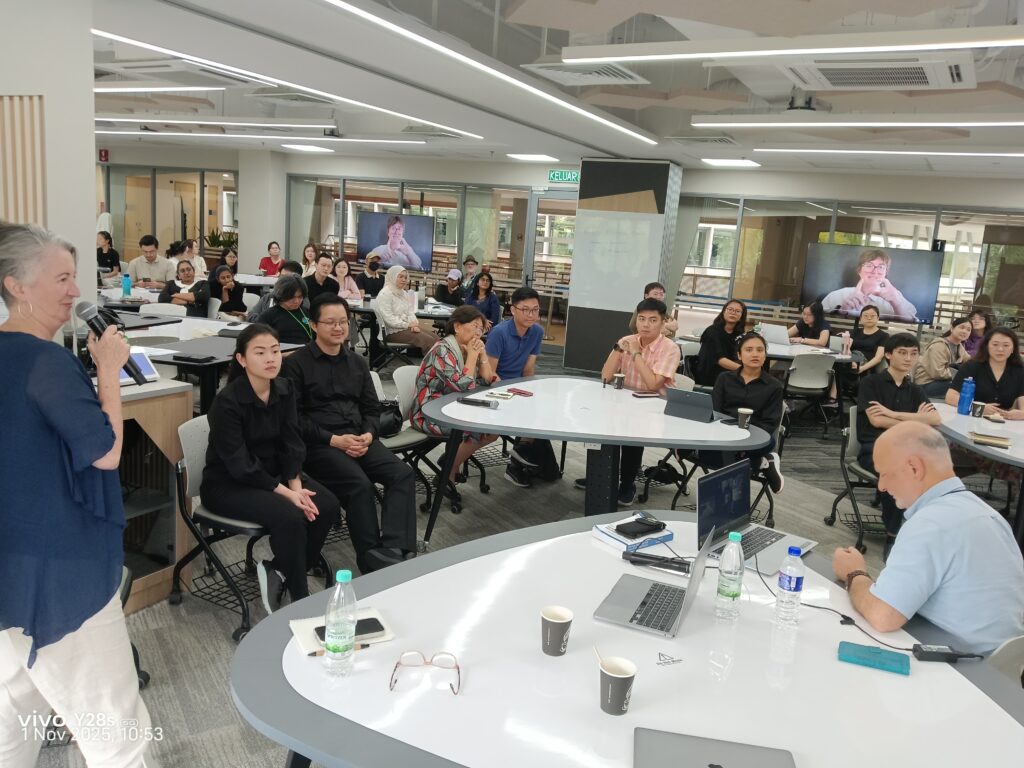
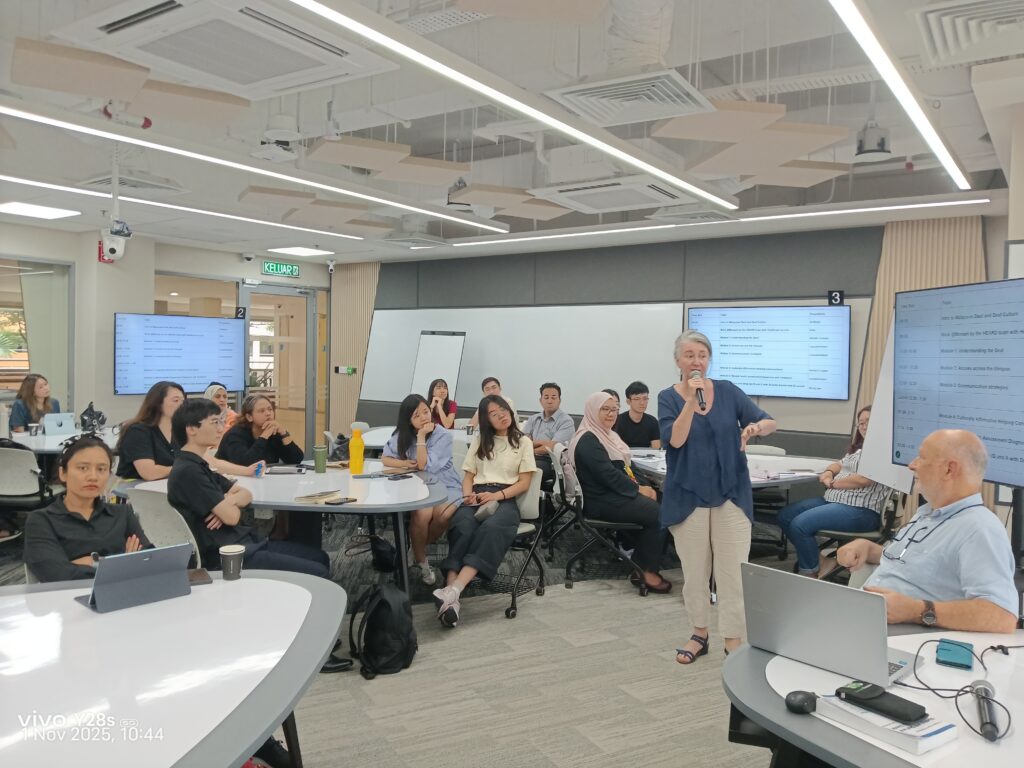
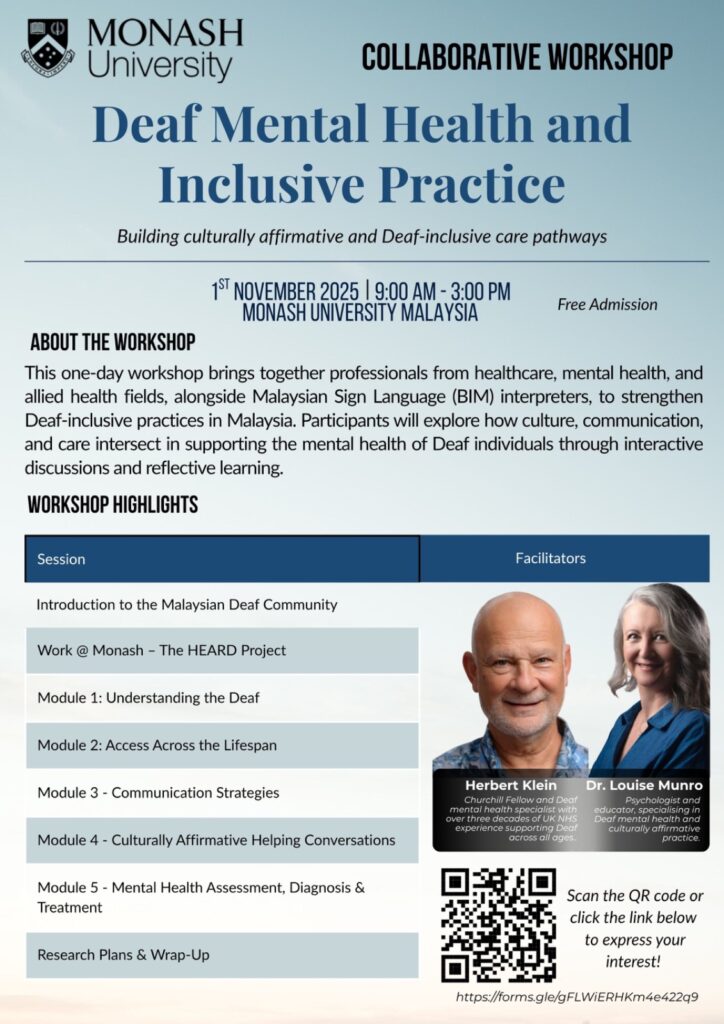
On 1 November 2025, DAWN supported a full-day Competency Development Workshop aimed at strengthening Deaf-inclusive mental health services in Malaysia. The workshop brought together mental health professionals, Malaysian Sign Language (BIM) interpreters, educators, NGO representatives, and postgraduate students, with a shared goal of improving cultural and communication competence when working with the Deaf community.
The training responded to long-standing challenges faced by Deaf individuals when accessing mental health support, including communication barriers, limited Deaf-aware services, and misunderstandings of Deaf culture within clinical settings. By focusing on both professionals and interpreters, the workshop highlighted the importance of collaboration, mutual understanding, and culturally respectful practice.
A Shared Learning Space Across Professions
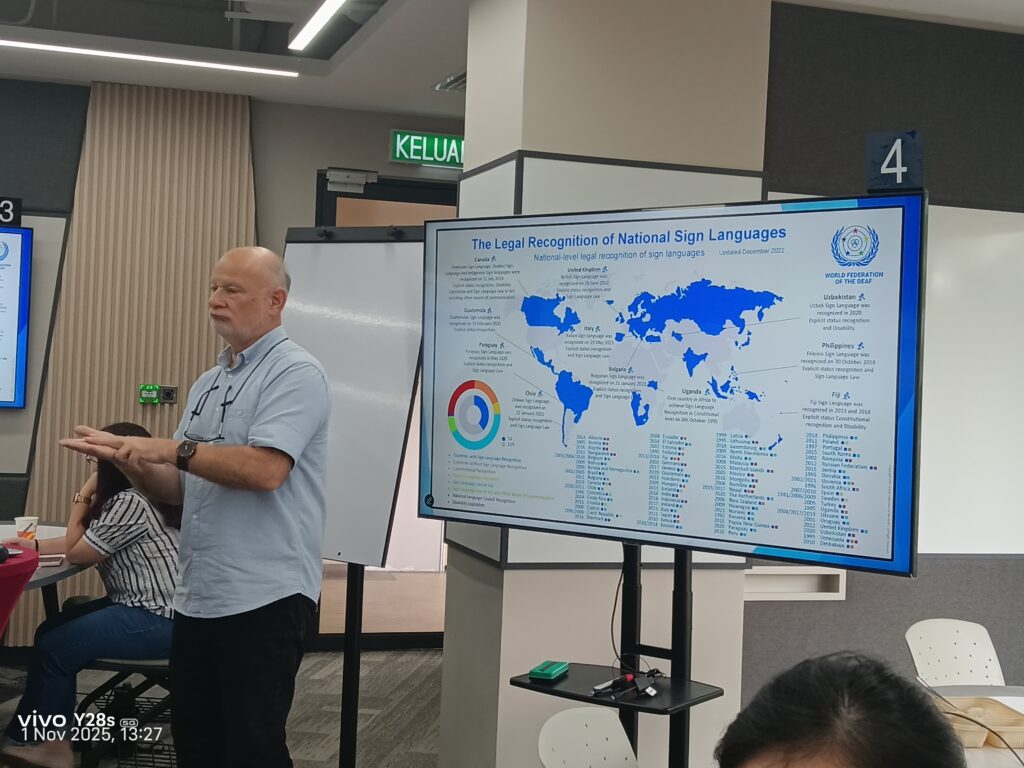
The workshop gathered more than 70 participants from diverse backgrounds, creating a rare opportunity for clinicians, interpreters, and educators to learn together. Through interactive discussions, case reflections, and guided activities, participants explored how Deaf culture, language, and lived experiences shape mental health needs and service access.
The sessions emphasised that effective mental health care for Deaf individuals goes beyond interpretation alone. Participants learned how small but meaningful adjustments—such as pacing conversations, using visual cues, maintaining eye contact, and respecting Deaf identity—can significantly improve communication and trust.
Learning from Deaf and International Experts
The programme was led by a multidisciplinary team of Deaf and hearing experts, including Dr. Vanlal Thanzami, Mr. Herbert Klein, Dr. Louise Munro, Miss Annie Ong, and Professor Dr Uma Devi. Their combined perspectives ensured that the workshop balanced international best practices with the realities of the Malaysian Deaf community.
Through these sessions, participants gained deeper insight into:
- Deaf culture and identity
- Communication strategies in mental health settings
- Access to mental health support across different life stages
- Culturally affirmative conversations
- Ethical and effective collaboration between clinicians and BIM interpreters
Personal stories, real-world examples, and open dialogue helped participants reflect on hearing-centric assumptions and consider more inclusive approaches to care.
Impact and Reflections
Participant feedback showed a clear increase in confidence, awareness, and readiness to work with Deaf individuals. Many shared that the workshop helped them better understand the role of interpreters, clarify professional boundaries, and recognise the emotional and cognitive demands involved in interpreted mental health sessions.
Importantly, the training encouraged participants to reflect on their own practices and institutions. Some expressed motivation to pursue further learning, strengthen ties with the Deaf community, or advocate for improved accessibility within their workplaces.
Insights gathered during the workshop will contribute to the development of Malaysia’s first Deaf Mental Health Competency Module, which aims to support more equitable, respectful, and effective mental health services nationwide.
Moving Towards Inclusive Mental Health Care
This competency training represents an important step toward system-level change. By building shared understanding across professions and centring Deaf voices and experiences, the workshop reinforces the importance of culturally informed, accessible mental health care for the Deaf community.
Credit
This workshop was part of the Projek Pembangunan Sumber Pertolongan Cemas Kesihatan Mental Bagi Komuniti Pekak di Malaysia, supported by the National Centre of Excellence for Mental Health (NCEMH), Yayasan Hasanah, and the Ministry of Health Malaysia under the Mental Health Grant.
Leave a Reply