


As part of its ongoing efforts to strengthen mental health awareness and peer support within the Deaf community, DAWN organised a series of Mental Health Support & Awareness workshops in October and November 2025. These workshops provided Deaf participants with practical exposure to mental health support through interactions with Deaf Mental Health First Aiders (MHFAs) in a safe, accessible, and culturally appropriate environment.
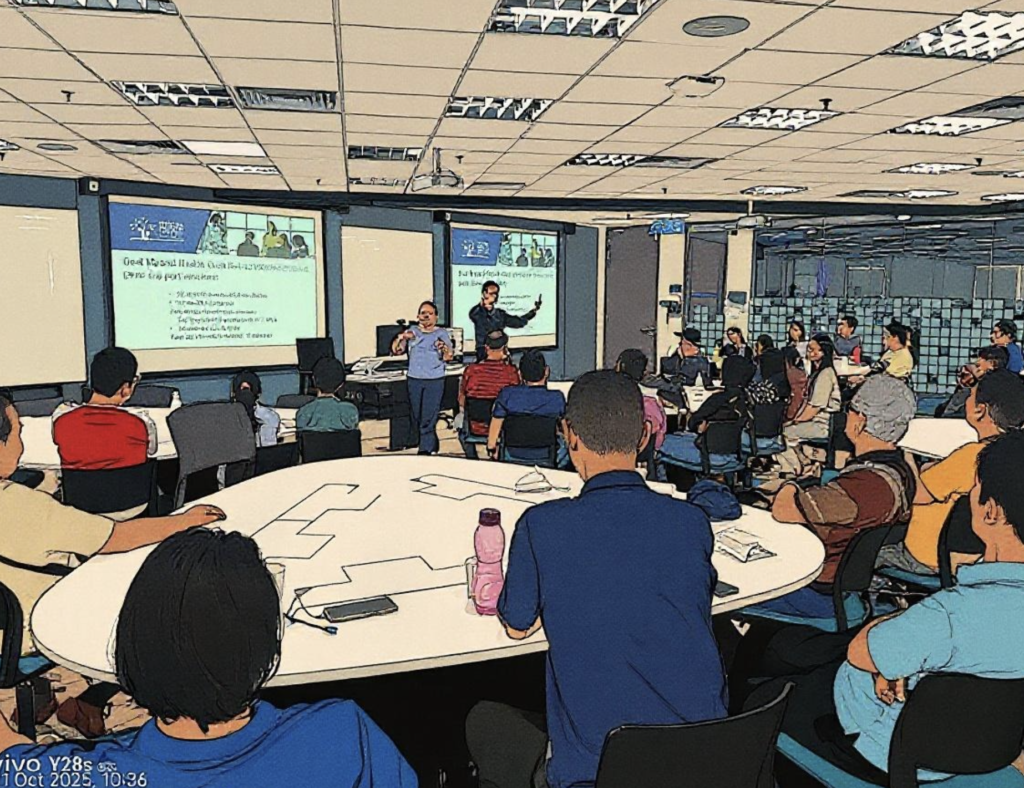
The workshops were conducted at Monash University, Subang Jaya, and included one-on-one mock sessions as well as group scenario-based activities, helping participants better understand what mental health support looks like in real-life situations.
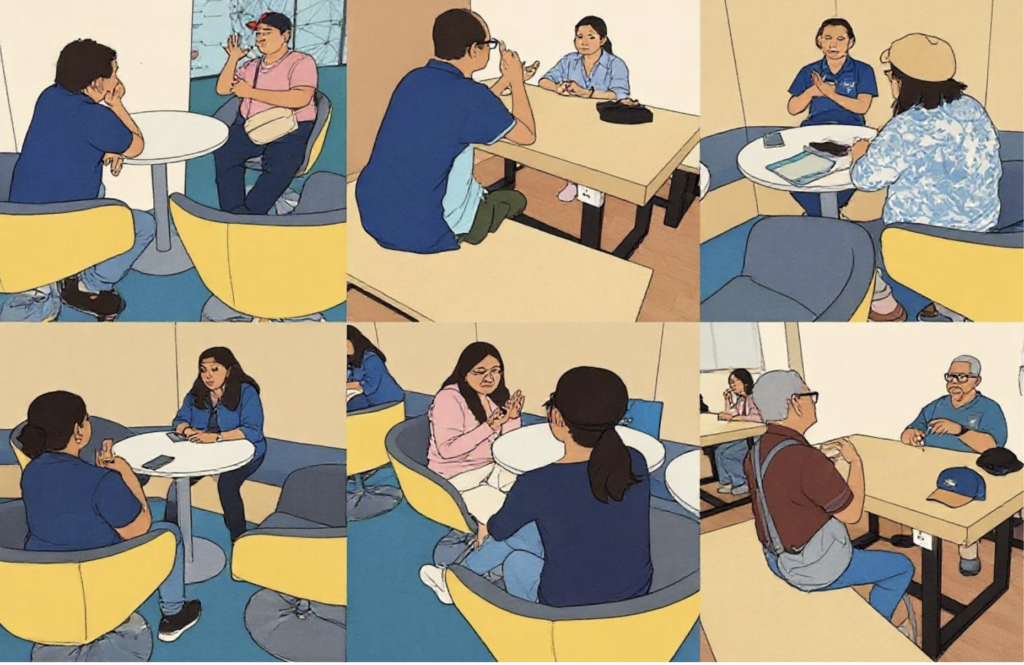
One-on-One Mock Sessions (11 October 2025)
The first session took place on 11 October 2025, involving 27 Deaf participants and 11 Deaf MHFAs. Participants attended individual mock support sessions with Deaf MHFAs, allowing them to experience how listening, emotional support, and guidance are provided during mental health conversations.
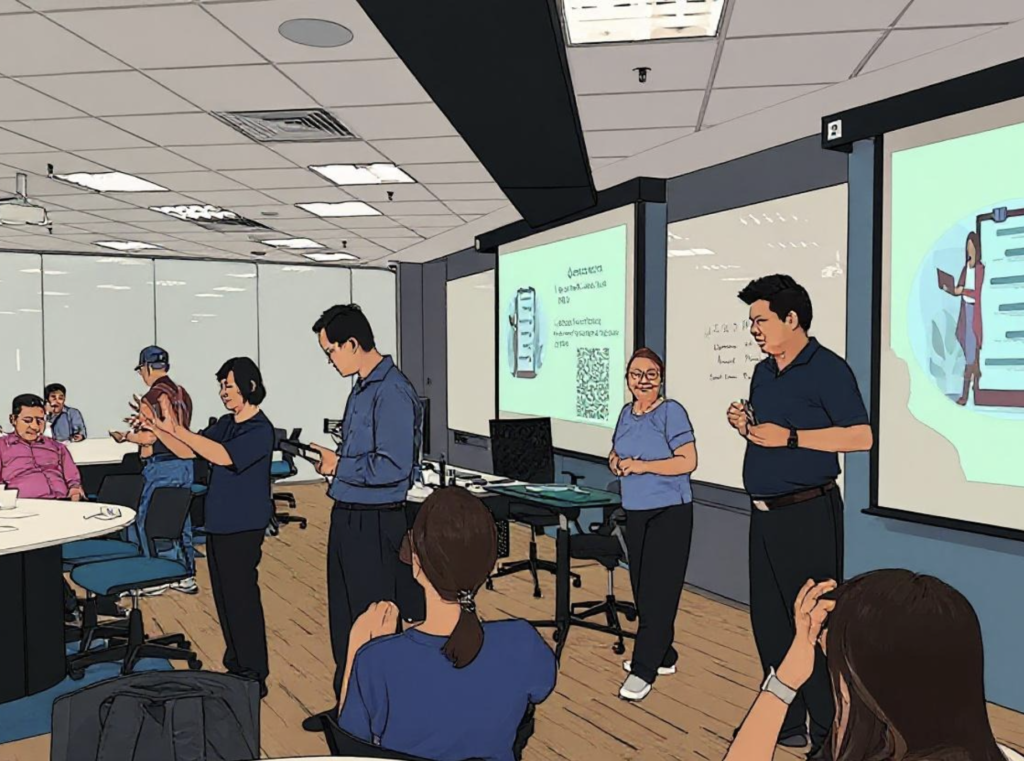
Led by Dr. Vanlal Thanzami, the session also included mental health awareness sharing, with full BIM interpretation to ensure accessibility. While waiting for their sessions, participants were invited to complete questionnaires to share their experiences, thoughts, and understanding of mental health.
Several participants openly shared personal experiences during the mock sessions, reflecting a strong level of trust and engagement. The one-on-one format created a supportive space for participants to explore emotions and gain confidence in seeking or offering support.
Group Scenario-Based Workshops (15 November 2025)
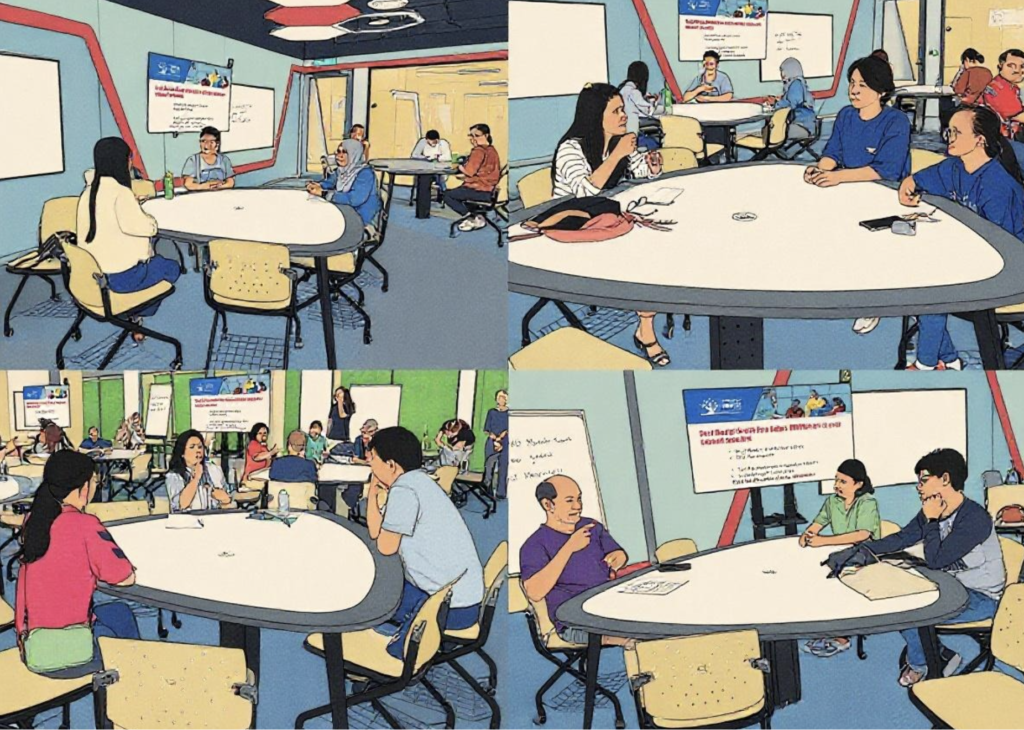
The second workshop was held on 15 November 2025, with morning and afternoon sessions. Participants worked in small groups, each guided by a Deaf MHFA, and discussed structured mental health scenarios together.
Through guided discussions, participants explored how to respond when someone is experiencing emotional distress, shared personal perspectives, and practiced supportive communication strategies. The group setting encouraged peer learning and helped participants see how different situations can be handled with care and empathy.
Questionnaires and Key Findings
In addition to the mock sessions and workshops, participants were invited to complete questionnaires before and after the sessions. These questionnaires were used to gather participants’ views, experiences, and reflections on mental health awareness and the workshop activities.
In general, the responses showed that:
- Many participants had limited access to mental health information prior to attending the workshops.
- After the sessions, participants reported better understanding of emotions and mental health concepts.
- Participants felt more confident discussing mental health, both for themselves and when supporting others.
- The Deaf-led and BIM-supported approach helped participants feel safe, respected, and comfortable sharing.
- Practical activities such as mock sessions and group discussions were especially helpful in making mental health concepts easier to understand.
Overall, the feedback indicates that accessible, Deaf-friendly mental health programmes can meaningfully improve awareness, confidence, and willingness to seek or offer support within the Deaf community.
Learning Outcomes and Impact
Across both workshops, participants reported increased confidence in discussing mental health, understanding support options, and recognising when help may be needed. The peer-led approach, supported by BIM interpretation, made the sessions relatable and impactful.
The workshops also supported capacity building among Deaf Mental Health First Aiders, who gained hands-on experience facilitating both individual and group support sessions. Insights gathered from the questionnaires and discussions will help guide future programme planning and improvements.
Overall, these workshops strengthened community-based mental health awareness and peer support networks, reinforcing the importance of Deaf-friendly, inclusive mental health initiatives in promoting wellbeing within the Deaf community.
Access to Data and Further Information
For those interested in accessing the detailed data analysis from the questionnaires, please contact DAWN at dawnpekakcomm@gmail.com.
Credit
This workshop was part of the Projek Pembangunan Sumber Pertolongan Cemas Kesihatan Mental Bagi Komuniti Pekak di Malaysia, supported by the National Centre of Excellence for Mental Health (NCEMH), Yayasan Hasanah, and the Ministry of Health Malaysia under the Mental Health Grant.
Leave a Reply